
Stick to Walking Basics
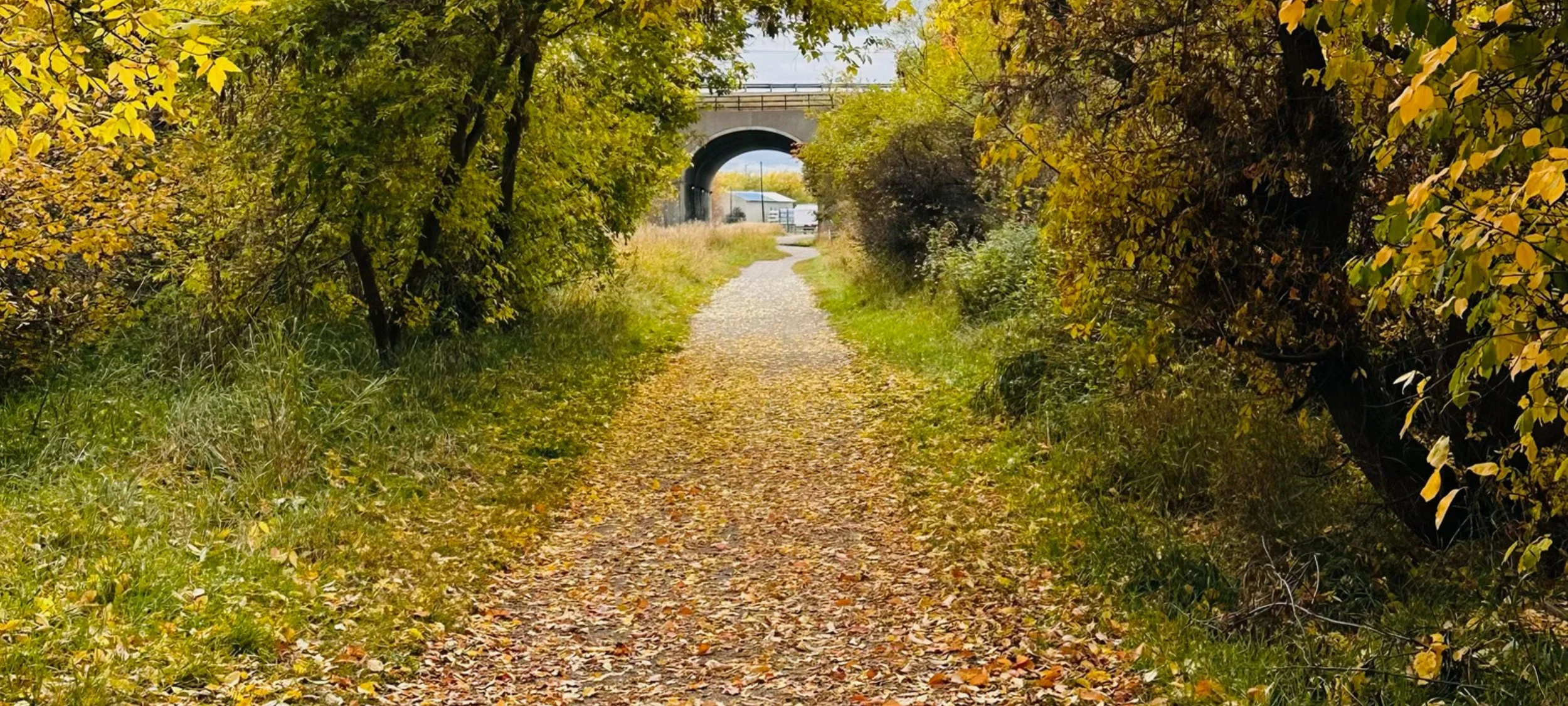
“Take the pressure off doing it right, doing it too fast or too slow. Just commit to the walk, enjoy your time outside, ask a friend to join.”
–Joy Puleo, director of education at Balanced Body Equipment, Huffington Post UK
Professionally, I spent most of my work life promoting nutrition, fitness, and health. I’m a retired Registered Dietitian, and my work focused on improving school environments for both kids and staff. For two decades, I wrote a monthly column for the Billings (Montana) Gazette on the latest research, trends, and fads in the ever-changing world of personal fitness.
You may still have some long-forgotten equipment like a ThighMaster, mini-trampoline, and roller blades in your basement or garage. Or perhaps you fondly remember Jazzercise, Zumba, or Beach Body classes. Never fear, some of these retro fitness crazes are coming around again—and can be found on YouTube in either an original flavor or #newandimproved version.
Most fitness fads can be helpful if you do them consistently and carefully. Very few are dangerous—although mini-tramps and rollerblading resulted in their fair share of injuries! But almost none of them live up to the miracle claims about their effectiveness. This is the problem I have with any exercise craze or dramatic diet—too many promises, too little research.
The latest viral walking trend—Lymphatic Walking—is just one more example. It can be as effective as any other type of walking, and it is no more dangerous than a regular stroll down a trail. However, it won’t be a miracle at flushing toxins, reducing bloating, and eliminating puffiness. To do those, you need a combo of regular activity, smart nutrition, and plenty of sleep.
Let’s dig a little deeper into the facts and claims about Lymphatic Walking and briefly check out some other “hot takes” on walking. The lymphatic system is a network of vessels and nodes that helps maintain fluid balance in your body. The vessels carry lymph, which supports your immune system by carrying pieces of bacteria and viruses away from infection sites to lymph nodes.
This system works smoothly in most healthy individuals. Muscles throughout the body squeeze lymph vessels to move fluid around so it can be filtered by the liver and eliminated via urine from the bladder. This is how toxins are naturally flushed from your body. Lymphedema (pooling of lymph) can result from injury, surgery, age, smoking, and some cancer treatments.
Lymphatic Walking movements—letting arms and hands swing, jumping in place or on a mini-trampoline (check your garage!), and other stretching routines—claim to improve drainage. However, according to exercise and lymphatic experts, no evidence suggests that any specific workouts are more effective for reducing bloating or improving longevity than any other.
Bottom line: Cardiovascular workouts (walking, dancing, swimming, etc.) and strength-building activities (weightlifting and exercise band routines) are good for your heart, your lymph system, and your brain. It is also important to regularly do balance activities like yoga, tai chi, and functional strength exercises, especially as we get older.
What about silent walking, Tai Chi walking, Japanese walking, Korean walking, and walking backward? Most of these current walking fads are fine, especially if they get you out the door and moving more often. I have been glad to see that walking backward is generally less popular than it was a couple of years ago. It is hard to do outside and pretty much impossible on trails!
I plan to stick to the old-fashioned form of walking—one foot in front of the other—with no fancy moves. As the seasons change, I take a bit more time to put on the right hat and coat for the conditions. Personally, I believe that the two most important aspects of any walking adventure are the right shoes and having a friend along. See you on the trail!