GVLT Stewardship Team Hits the Field
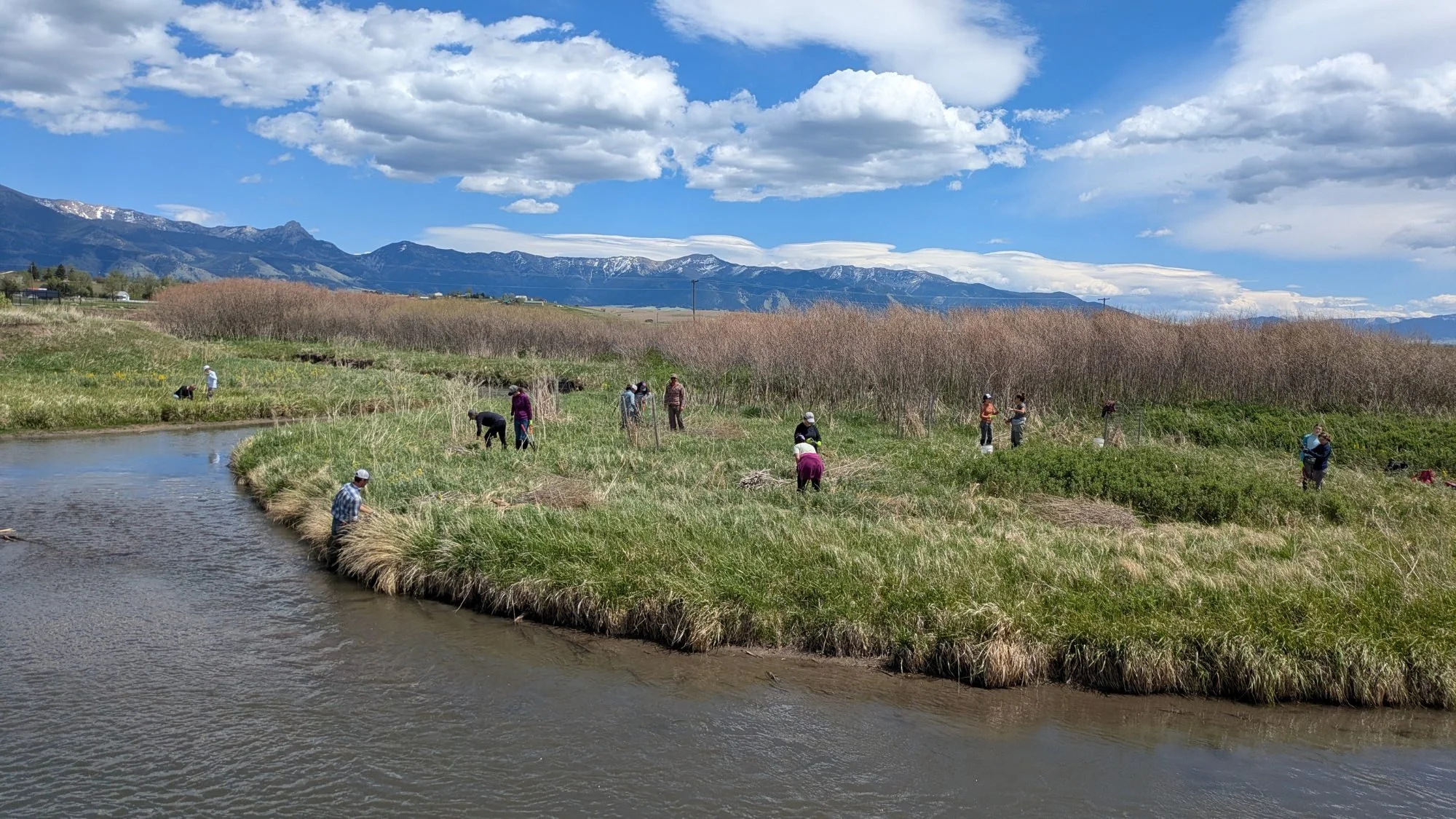
Volunteers planting willows along the banks of Smith Creek on a conservation easement.
Spring is an exciting time of year at GVLT. While our Trails team is busy preparing for trail enhancement and maintenance projects and volunteer events, our Conservation Stewardship team has begun their busiest season of the year: field season.
This month, our Stewardship team began visiting with landowner families who have partnered with GVLT to conserve more than 75,000 acres on 139 properties throughout Gallatin, Park, and Madison counties.
The Lifetime of a Conservation Easement
Our Stewardship activities are a vital part of GVLT’s mission. Helping landowners utilize the tool of conservation easements to forever conserve working farms and ranches, critical wildlife habitat, clean water, and stunning viewsheds is just the beginning.
Once an easement is created, GVLT’s Stewardship team is responsible for visiting the property once a year to ensure the provisions of the easement and the vision of the original landowner are honored in perpetuity—even if the property changes hands.
Partners in the Field
Committed to creating partnerships with landowners, GVLT’s Stewardship team prioritizes and values these face-to-face interactions.
“I am honored to have the opportunity to get out and ‘kick the dirt’ with our landowner partners on their properties to learn more about their personal triumphs and challenges, and how GVLT can help support their conservation goals,” shares GVLT Stewardship Director Jeremy Puckett.
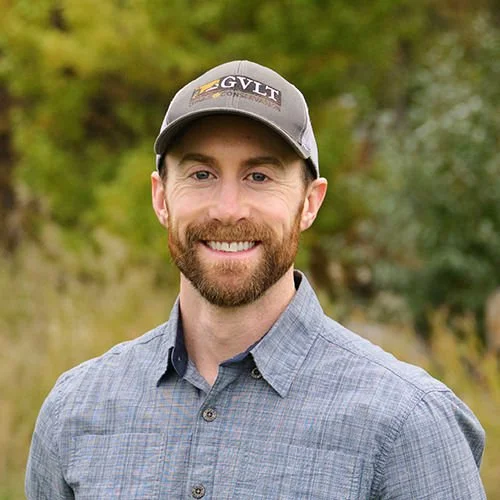
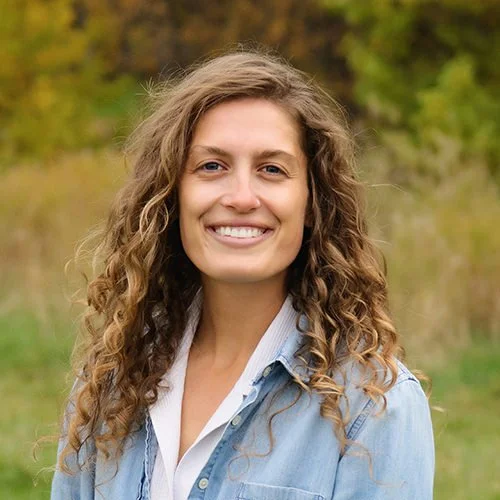
GVLT’s three-member Stewardship team also includes Senior Land Steward Kevin Grunewald and Stewardship Coordinator Kara Deeter.
Kevin also enjoys the opportunity to connect with landowners each year and talk about their current challenges and goals.
“Each year, I like to ask, ‘How is your conservation easement serving you?’” explains Kevin. “We welcome opportunities to go beyond protecting the land, to enhancing the property in partnership with the landowner to support their operations and vision.”
While field season (which runs weather-permitting from April through October) is extremely busy, it is also deeply rewarding. On any given day, the team might find themselves driving with a landowner in a side-by-side identifying plant species, learning about the year’s crop productivity, discussing noxious weed or erosion problems, or watching newborn calves romp around a pasture.
“I love talking with our landowner partners,” shares Kara. “It makes me feel like I am part of a larger community and realize how much we all have in common.”
By returning year after year, the team is able to build deep relationships, check in on past projects, and truly see the long-term arc of progress on the land. They aren’t just monitors; they are partners helping landowners move the needle on their goals.
Value-Added Stewardship
GVLT is dedicated to “value-added” stewardship. This means staying on top of current land and natural resource management best practices and connecting landowners with local experts and funding sources to enhance the conservation values of their land. In fact, the team recently launched a new Landowner Resources web page with information about fencing and wildlife conflict, forest health, habitat enhancement, water resources, and weed and pest management.
Another example of how our team collaborates with landowners happened just last week. GVLT and the Gallatin Watershed Council co-hosted a volunteer willow staking project on a conservation easement. After discussing erosion issues along Smith Creek with the landowner, volunteers spent the afternoon harvesting and planting willow stakes along the banks to mitigate erosion, improve habitat, and protect the agricultural use of the property.
Protecting highly productive, scenic, and wildlife-rich land with a conservation easement is just the beginning of the conservation journey and a long-term partnership between landowners and GVLT. As we begin field season each year, we look forward to connecting with each family to discuss anticipated projects, stewardship challenges, and partnership opportunities—always seeking ways to benefit our landowner partners and the conservation values of their land.
“I am grateful for the opportunity to get outside and enjoy the natural resources of this place we work so hard to protect,” shares Kevin. “We get a chance to internalize the value of private land conservation and see firsthand how critical it is for supporting both agriculture and intact ecosystems.”
Meet GVLT’s Stewardship Team