
On the Trail With Dayle: Hiking with Children
“It is a wholesome and necessary thing for us to turn again to the earth and in the contemplation of her beauties to know the sense of wonder and humility.”
–Rachel Carson
I was barely a teenager when Rachel Carson passed away in 1964. However, I very clearly remember reading her book Silent Spring for the first time in a biology class and beginning to contemplate the wonders of the earth. Also in my childhood memory bank are hikes in California mountains with my maternal grandmother, Elizabeth Beinhorn (Mimi), who was a member of the Sierra Club and a dedicated birdwatcher.
As I strive to instill a sense of wonder about the natural world in my own grandchildren, I realize that I am becoming my grandmother. That is a good thing; I wish I had known Mimi better. Over time, I became much closer to my paternal grandmother—Granny—who was much more of a #sitontheporch and look at nature person, as well as a very organized gardener. At the ripe old age of 75, I am glad that I carry both their genetic lineages and their different loves of the natural world.
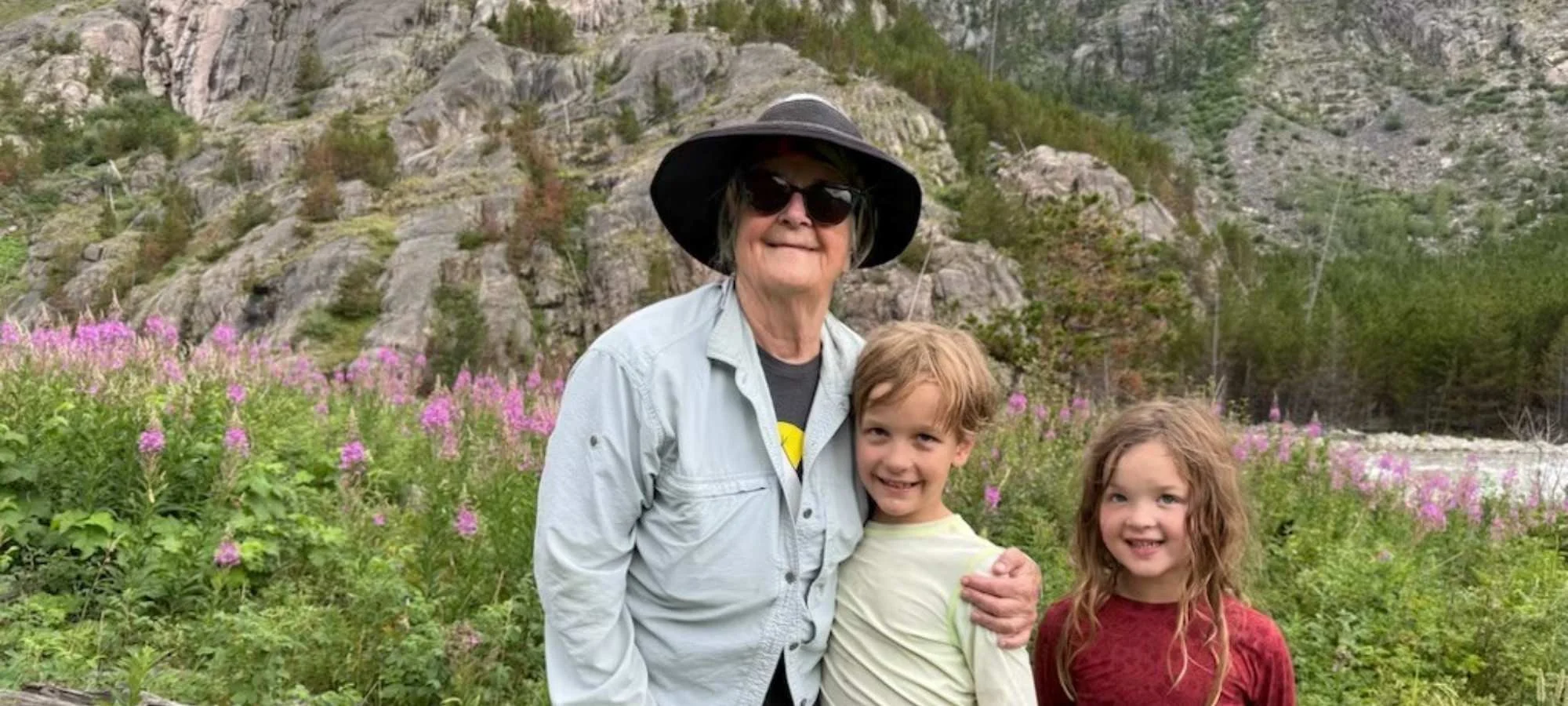
I recently had the pleasure of hiking with my grandchildren (eight and almost six years old) from East Rosebud Lake to Elk Lake. To be honest, they hiked all the way to Elk while I took a break about half a mile from the final destination. My legs needed a rest and my brain needed to pause the constant conversations with their parents and themselves. For about 30 minutes, I listened to the swifts, chickadees, waxwings, and many other birds—contemplating my gratitude for both the gentleness of natural sounds and the exuberance of children on the trail.
My son and daughter-in-law are wonderful parents and have instilled an appreciation of hiking in their children. They all get ready and get on the trail with a minimum of whining (even when the kids might rather be on their iPads!). As I sat in relative quiet with my birdsongs, I considered what makes hiking with children successful versus painful. Drawing on my own experience as a parent decades ago (and my very recent GrammaD hikes in Montana and Georgia), I think there are four key considerations: entertainment, water, food, and footwear (in order of importance).
Four Key Considerations
Entertainment: Yes, I believe that children, especially those who are just learning to navigate trails on their own legs, need to be entertained. No, they do not need to listen to music, podcasts, or books like their adult companions. I believe the best options are trail tales or nature stories that can be continued and elaborated over time. My children’s father created a tale about Two-Feathers, a young Native child who walked over Montana. My son now has an ongoing epic about the Crazy Post Office. I have no idea about the origins of this saga, but it makes my grandchildren laugh hysterically and stop asking, “How much farther do we have to go?”
Water: Being dehydrated can make anyone tired and cranky. Hiking hydration is as easy as always carrying enough water for everyone in readily accessible containers. Children (and World Cup soccer players) often need reminders to take a hydration break for good moods (and optimal performance). Use bottles that are easy to drink from and to clean after the hike.
Food: Although I am a retired dietitian and absolutely believe in the healthiest foods possible for children, our hiking snacks represent a wide spectrum—from fruits like tangerines to “power” Oreos, which are rationed as long as possible. Pack things that your hikers like to eat. Ours go for cheese sticks, occasional granola bars, trail mix (although they really just want the M&Ms), and some sliced meat. They do not like sandwiches on the trail, so we don’t bring them. That really is the bottom line for me: Bring what they will eat, take as many snack breaks as needed, and refuel with lots of fruits and veggies in balanced meals when you get back home.
Footwear: Think for just a minute about how much you enjoy walking when you have a blister or your shoes don’t fit properly. Check kids’ feet before and after a hike for potential problem areas. Invest in sturdy shoes with good soles and laces (or affordable hiking boots if you can). Good quality socks are important as well. They can often improve the fit of shoes that aren’t quite right.
Seeing children on the trail always makes me smile. If you see me out on a GVLT trail, say hi. On or off the trail, I’d love to hear your thoughts about hiking with children. Send me an email anytime at DayleHayesMT@gmail.com. Happy hiking!